Beijing & the Imperial North
A Guanscape Sample Journey
From the imperial heart to the sacred landscapes of the north.
Suggested pace: 7 days / 6 nights
Beijing · Huairou · Datong, Shanxi
Begin in Beijing, where dynastic ambition, neighbourhood life and contemporary culture sit side by side. Then travel beyond the capital: into the forested hills of the north, along the Great Wall and west towards Shanxi, where monumental Buddhist art and ancient sacred architecture reveal another chapter of China’s story.
THE CULTURAL LANDSCAPES OF THE NORTH
A Capital that opens into a region
Beijing is one of the world’s great historical capitals—not simply because of the scale of its palaces and ceremonial avenues, but because so many layers of China’s political, artistic and everyday life remain visible within the city.
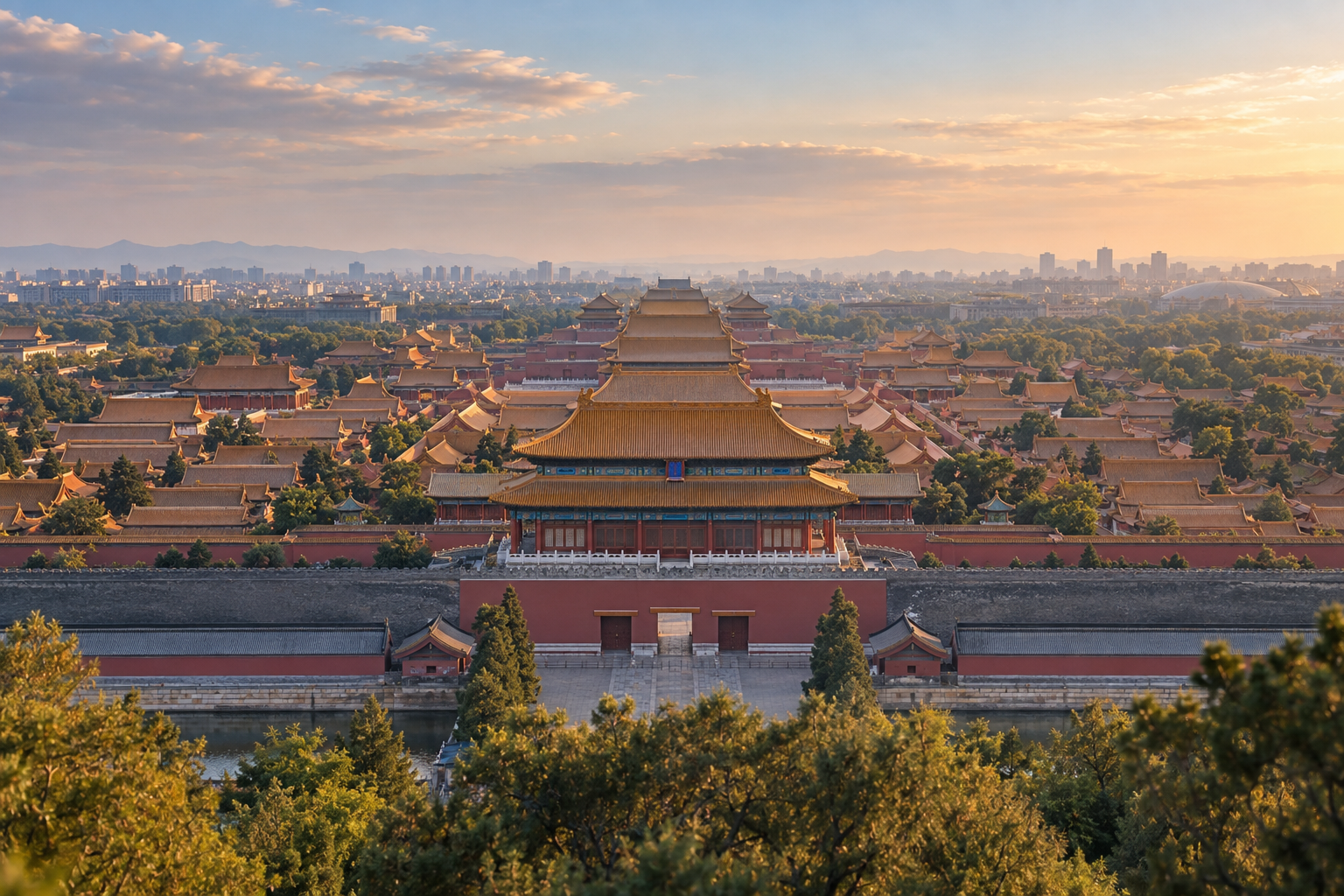
As the capital of the Yuan, Ming and Qing dynasties, Beijing became the stage on which imperial power was planned, performed and preserved. The Forbidden City, Temple of Heaven and city’s central axis tell a story of order and authority on a vast scale.
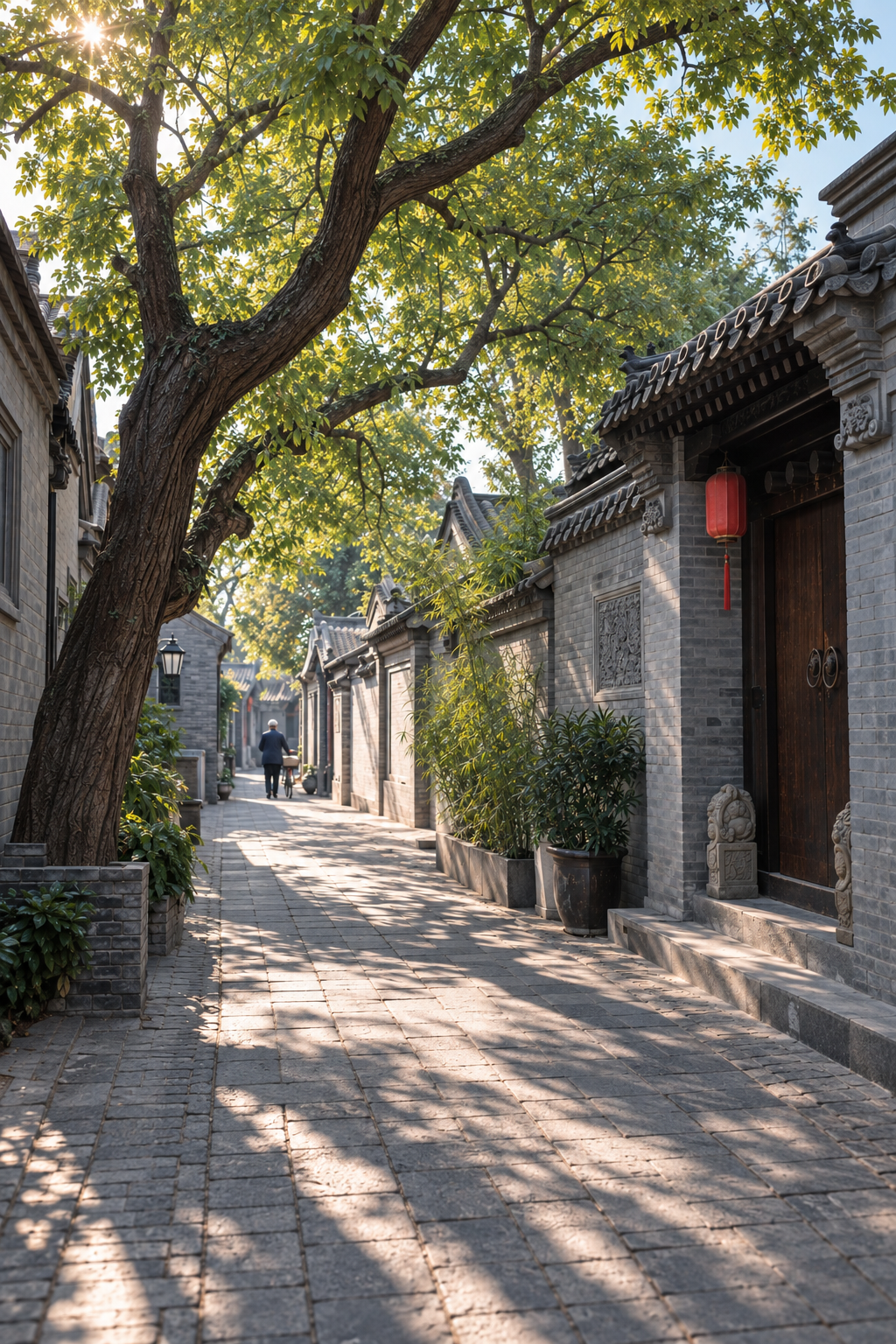
Yet another Beijing exists in its hutongs: courtyard homes, neighbourhood kitchens, temples, markets and side streets where the city feels more intimate, improvisational and lived-in.
It is also the natural place from which to explore northern China. Beyond the capital, the terrain opens into mountains, frontier landscapes and historic provinces that once stood at the meeting point of dynastic power, Buddhist practice, trade and the cultures of the steppe.
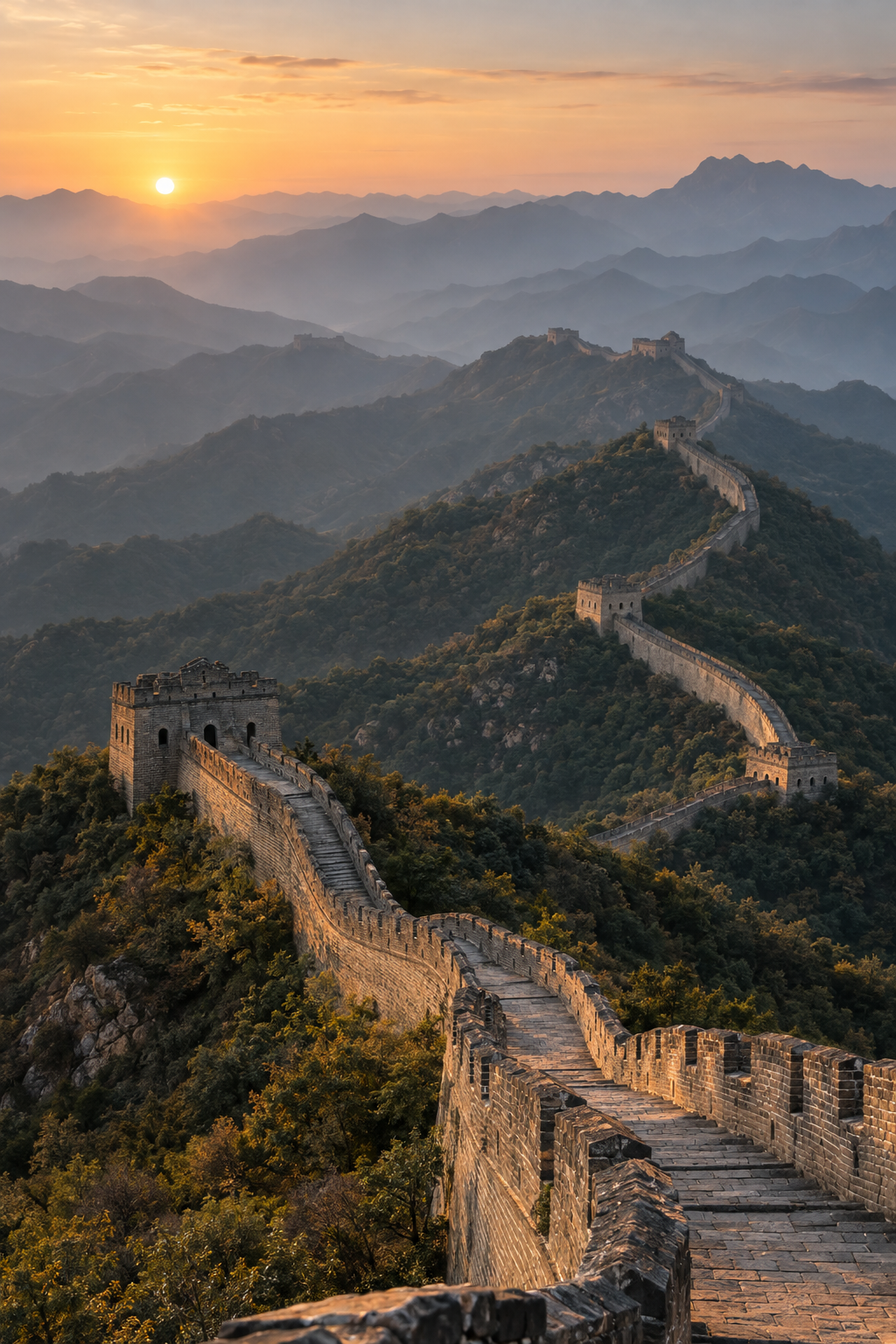
From Beijing, the journey opens into northern China’s wider cultural landscape. The Great Wall follows the mountain frontier between the imperial heartland and the steppe, while Shanxi reveals some of the country’s most remarkable Buddhist art, temple architecture and dynastic history. Together, Beijing, Huairou and Datong create a route through the political, spiritual and artistic worlds that helped shape China.
From Imperial Streets to Mountain Temples
Every Guanscape journey is shaped around the traveller. This is one possible way to move through Beijing and the Imperial North.
Arrive in Beijing and settle into the historic heart of the city.
Begin gently with time in the hutongs: narrow lanes, courtyard houses and the everyday rhythms that offer a more intimate introduction than the capital’s grand avenues.
A courtyard dinner or evening walk can set the tone for the week ahead.
Into Old Beijing
Day 1
Begin with a considered exploration of the Forbidden City, looking beyond the main ceremonial axis towards its quieter courts, gardens and details of palace life.
Later, take in the city’s scale from Jingshan Park before moving to the Lama Temple and nearby Guozijian Street, where Buddhist devotion and scholarly heritage sit side by side.
The Inner Life of the Imperial City
Day 2
Start at the Temple of Heaven, when locals gather in the surrounding park for morning exercise, music and conversation. The afternoon shifts to a more lived-in side of Beijing: a slower hutong walk, independent shops, small galleries or time shaped around food and design.
The day can end with a carefully chosen Peking duck dinner or a more contemporary interpretation of northern Chinese cooking.
Temple of Heaven & Beijing Hutongs
Day 3
Leave the capital for Huairou, where forested hills, temple architecture and open water create a marked change of pace. Spend the afternoon around Yanqi Lake or at a historic temple, with time to settle into the quieter rhythm of the northern landscape.
This is deliberately a lighter day—an opportunity to breathe between the city and the Wall.
Into the Northern Hills
Day 4
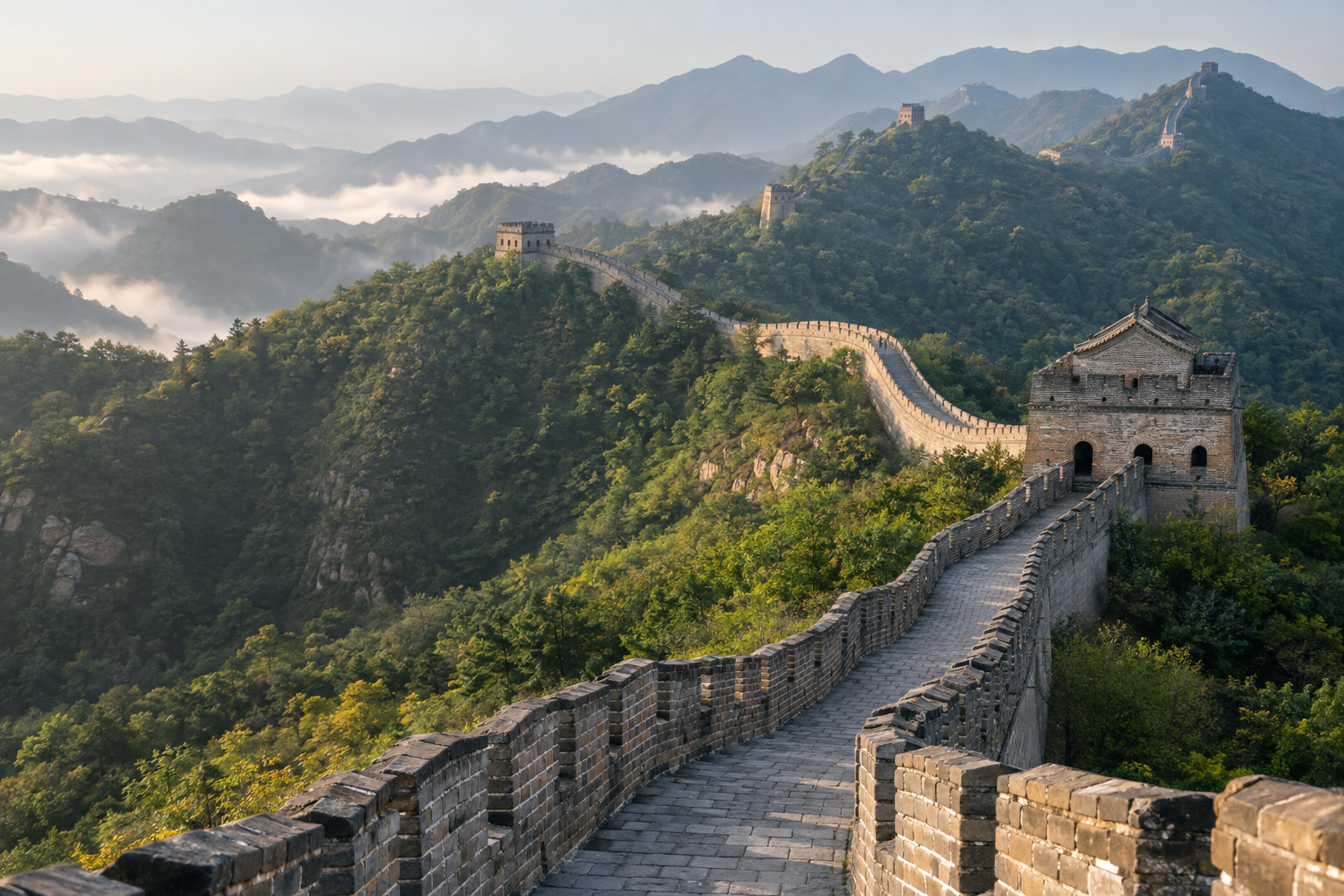
Rise early for time at a quieter section of the Great Wall, chosen for landscape, atmosphere and walking rather than crowds. The experience should feel unhurried: enough time to take in the changing contours of the mountains and the scale of the structure itself.
Return to Beijing later in the day for a final evening in the capital, or board an evening train onward if timings suit.
The Great Wall, Slowly
Day 5
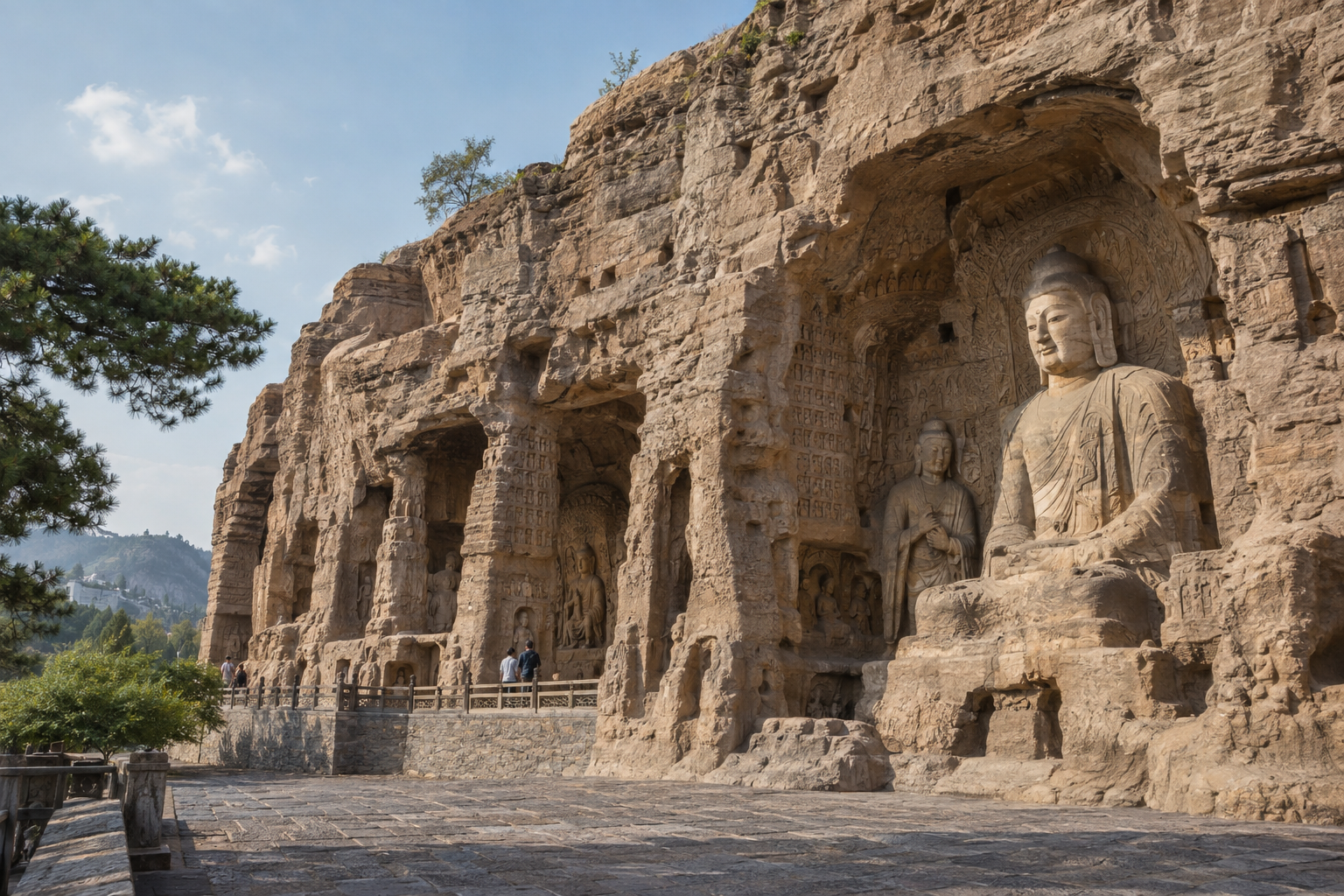
Travel by high-speed rail to Datong, a city that opens into another chapter of northern China’s history. Visit the Yungang Grottoes, where immense Buddhist carvings cut into sandstone cliffs speak to the artistic and spiritual ambitions of the Northern Wei dynasty.
As evening falls, explore Datong’s old city at a slower pace and enjoy its distinct northern Shanxi food culture.
Datong and the Buddhist North
Day 6
Travel to the Hanging Temple, dramatically set against a cliff face above the valley below. Continue with time for Datong’s city walls, Huayan Monastery or a final northern Shanxi meal before onward travel.
For international departures via Beijing, we recommend adding an overnight return to the capital.
Sacred Architecture & Departure
Day 7
MAKE IT YOUR OWN
Shape your journey through Beijing & the Imperial North
This route is a starting point, not a fixed itinerary.
We can place greater focus on imperial history, Buddhism, architecture, food, photography or time in nature. Extend further into Shanxi—to Mount Wutai, Pingyao or other northern cultural landscapes—or continue onward to another region of China.
Begin with your dates, interests and preferred pace.
We will shape the route, stays and experiences around you.